Home › Trichotillomania

Trichotillomania: Causes, Symptoms & How CBT Can Help You Stop Hair-Pulling

Trichotillomania is a body-focused repetitive behavior that affects 1–2% of the population. If you pull your hair and feel unable to stop, you are not alone—and evidence-based approaches can help. This page explains what trichotillomania is, what causes it, how it affects your life, and how CBT-based treatment works.

What Is Trichotillomania?

Trichotillomania (trik-oh-til-oh-MAY-nee-uh), also called hair-pulling disorder, is a mental health condition in which a person feels a recurring, irresistible urge to pull out their own hair. It is classified in the DSM-5 as an Obsessive-Compulsive and Related Disorder and belongs to a group of conditions known as Body-Focused Repetitive Behaviors (BFRBs).

BFRBs are repetitive self-grooming behaviors—including hair pulling, skin picking, and nail biting—that cause noticeable physical damage and significant emotional distress. Among these, trichotillomania is one of the most common and most studied.

Key Facts

  • Affects roughly 1–2% of the general population
  • Can begin at any age, but most often starts between ages 10 and 13
  • More commonly diagnosed in women, though this may reflect reporting bias
  • Classified alongside OCD in the DSM-5 as an Obsessive-Compulsive and Related Disorder
  • Often co-occurs with anxiety, depression, skin picking, and other BFRBs

Pulling Can Be Automatic or Focused

  • Automatic pulling happens outside awareness—while reading, watching TV, or studying—and the person may not realize it until later
  • Focused pulling is done deliberately, often to relieve tension, satisfy an urge, or achieve a specific sensory experience
  • Most people with trichotillomania experience a mix of both types

Understanding is the first step toward recovery

Learn the CBT foundations that help thousands break the hair-pulling cycle—for free.

Start Free Mini-Course

What Causes Trichotillomania?

Trichotillomania does not have a single cause. Research suggests it arises from a combination of neurobiological, genetic, and environmental factors. Understanding these can reduce self-blame and point toward effective treatment.

Neurobiological Factors

Brain imaging studies show differences in regions involved in habit formation, impulse control, and emotion regulation. The cortico-striato-thalamo-cortical (CSTC) circuit—which governs habitual behaviors—appears to function differently in people with trichotillomania. Imbalances in serotonin, dopamine, and glutamate neurotransmitter systems may also play a role.

Genetics

Trichotillomania runs in families. First-degree relatives of people with the condition are significantly more likely to develop it or a related BFRB. Twin studies support a heritable component, although no single gene has been identified.

Emotional Triggers

Emotional states frequently trigger or intensify hair pulling. The most common triggers include:

  • Stress and anxiety—pulling temporarily reduces tension
  • Boredom and understimulation—pulling provides sensory input during idle moments
  • Frustration and anger—pulling can be an outlet for difficult emotions
  • Fatigue—self-control resources are depleted when tired

Sensory Seeking

Many people with trichotillomania describe specific sensory experiences connected to pulling—feeling a hair that seems "different," the tactile sensation of pulling, or visual inspection of the root. These sensory components create a self-reinforcing loop that maintains the behavior.
Signs and Symptoms of Trichotillomania

Trichotillomania presents differently from person to person, but common patterns include:

Pulling Patterns

  • Pulling from the scalp (the most common site)
  • Pulling from eyebrows and eyelashes
  • Pulling from arms, legs, or pubic area
  • Pulling from multiple sites, which may shift over time
  • Searching for hairs with a particular texture, thickness, or feel

The Emotional Cycle

  • Before pulling: rising tension, an urge or itch, or a feeling that something is "not right"
  • During pulling: relief, pleasure, satisfaction, or a sense of completion
  • After pulling: shame, guilt, frustration, or embarrassment

Physical Signs

  • Noticeable bald patches or thinning areas on the scalp
  • Missing or sparse eyebrows or eyelashes
  • Skin irritation or scarring at pulling sites
  • In some cases, trichophagia (eating pulled hair), which can lead to medical complications

Behavioral Signs

  • Wearing hats, scarves, wigs, or heavy makeup to conceal hair loss
  • Avoiding situations where hair loss might be noticed (swimming, windy weather, intimacy)
  • Spending significant time pulling, sometimes hours per day
  • Repeated unsuccessful attempts to stop on one's own

How Trichotillomania Affects Daily Life

Trichotillomania reaches far beyond hair loss. The condition can profoundly affect emotional well-being, relationships, and daily functioning.

Emotional Toll

Shame, guilt, and self-blame are nearly universal. Many people feel "broken" or "out of control." Anxiety and depression frequently co-occur, sometimes as a result of the pulling itself.

Social Withdrawal

Fear of discovery leads to avoiding social events, canceling plans, and pulling back from relationships. Many people with trich feel deeply isolated—believing no one would understand.

Self-Esteem

Visible hair loss can damage self-image and confidence. People often feel defined by the behavior, losing sight of their strengths and identity beyond trich.

Time Consumption

Pulling episodes, concealment routines, and the mental energy spent fighting urges can consume hours every day—taking time away from work, hobbies, and relationships.

You don't have to struggle alone

Over 6,000 students have started their recovery with evidence-based CBT tools. The first week is free.

Learn More →

Treatment Options for Trichotillomania

Trichotillomania is treatable. While there is no overnight fix, several evidence-based approaches have strong track records—and they can be combined for the best results.

Gold Standard

CBT with Habit Reversal Training (HRT)

The most studied and effective behavioral treatment for hair pulling. HRT teaches you to recognize triggers, build awareness of pulling urges, and practice competing responses until the habit is replaced. Research consistently shows HRT reduces pulling frequency and severity.

Comprehensive

Comprehensive Behavioral Treatment (ComB)

A broader approach that adds stimulus control (changing your environment), sensory substitution, and cognitive-emotional strategies to traditional HRT. ComB addresses the multiple functions pulling serves—relief, stimulation, and emotional regulation.

Supportive

Medication & Self-Help

N-acetylcysteine (NAC) has shown promise in some studies. SSRIs may help when anxiety or depression co-occurs. Structured self-help programs—especially those based on CBT—provide accessible tools for people who prefer to learn at their own pace.

Start learning CBT techniques today

Dr. Ohad's 12-week course teaches the cognitive, emotional, and behavioral skills that target the patterns behind hair-pulling.

Explore the Course

How CBT Helps Trichotillomania

Cognitive Behavioral Therapy (CBT) is the first-line treatment for trichotillomania because it directly targets the thoughts, emotions, and behaviors that maintain the pulling habit. Here is how CBT works for hair pulling, step by step.

Awareness Training

The first step is noticing when, where, and how you pull. Many pulling episodes happen on autopilot. Awareness training helps you catch the urge early—before the hand reaches the hair—by tracking triggers, body positions, emotional states, and situational cues.

Competing Response Training

Once you can identify the urge, you learn to replace pulling with a competing action—such as clenching your fist, pressing your hands flat, or holding an object. The key is choosing a response that is physically incompatible with pulling and holding it until the urge passes.

Stimulus Control

This involves changing the environment to reduce pulling opportunities and triggers. Examples include wearing gloves during high-risk activities, changing lighting, rearranging your workspace, or using fidget tools—anything that creates a barrier between the urge and the behavior.

Building Emotional Tolerance

Pulling is often driven by low tolerance for stress, boredom, anxiety, or frustration. CBT teaches you to sit with uncomfortable feelings without acting on them—to let urges rise, peak, and naturally fade. This builds the emotional resilience that makes lasting change possible.

The CBT-TIME Transdiagnostic Approach

Dr. Ohad's course uses a transdiagnostic protocol that goes beyond standard HRT. Rather than only targeting pulling behavior, it addresses the underlying emotional habits that drive it: stress-inducing thoughts, low distress tolerance, and avoidance patterns. This means the skills you learn generalize to other areas of life—reducing anxiety, improving self-esteem, and building healthier emotional responses overall.

Real Results from Real People

★★★★★

I took Dr. Ohad's course and haven't pulled since—thorough and useful—definitely worth trying once you're ready to be done! (I've pulled since I was 7—now 57—nothing else has worked as well)

Jennifer Walker Maine

★★★★★

Thanks to the course, I've seen major improvements in my overall tolerance to stressful life situations. I realized pulling frequency improved by 80–90%—from pulling all day every day for 25+ years to short stints every few days.

Melissa M.

Watch Video Testimonials

Hear from real students who overcame trichotillomania.

What You Can Do Next

Recovery from trichotillomania is possible. These are three practical steps you can take today.

1

Learn the Fundamentals

Start with the free mini-course to understand how CBT works and why it is effective for hair pulling.

2

Practice the Tools

Apply awareness training, competing responses, and emotional tolerance skills—one week at a time.

3

Build Lasting Change

Work through all 12 weeks to establish new habits that replace pulling with healthier responses.

Start Free Mini-Course Explore the Full Course
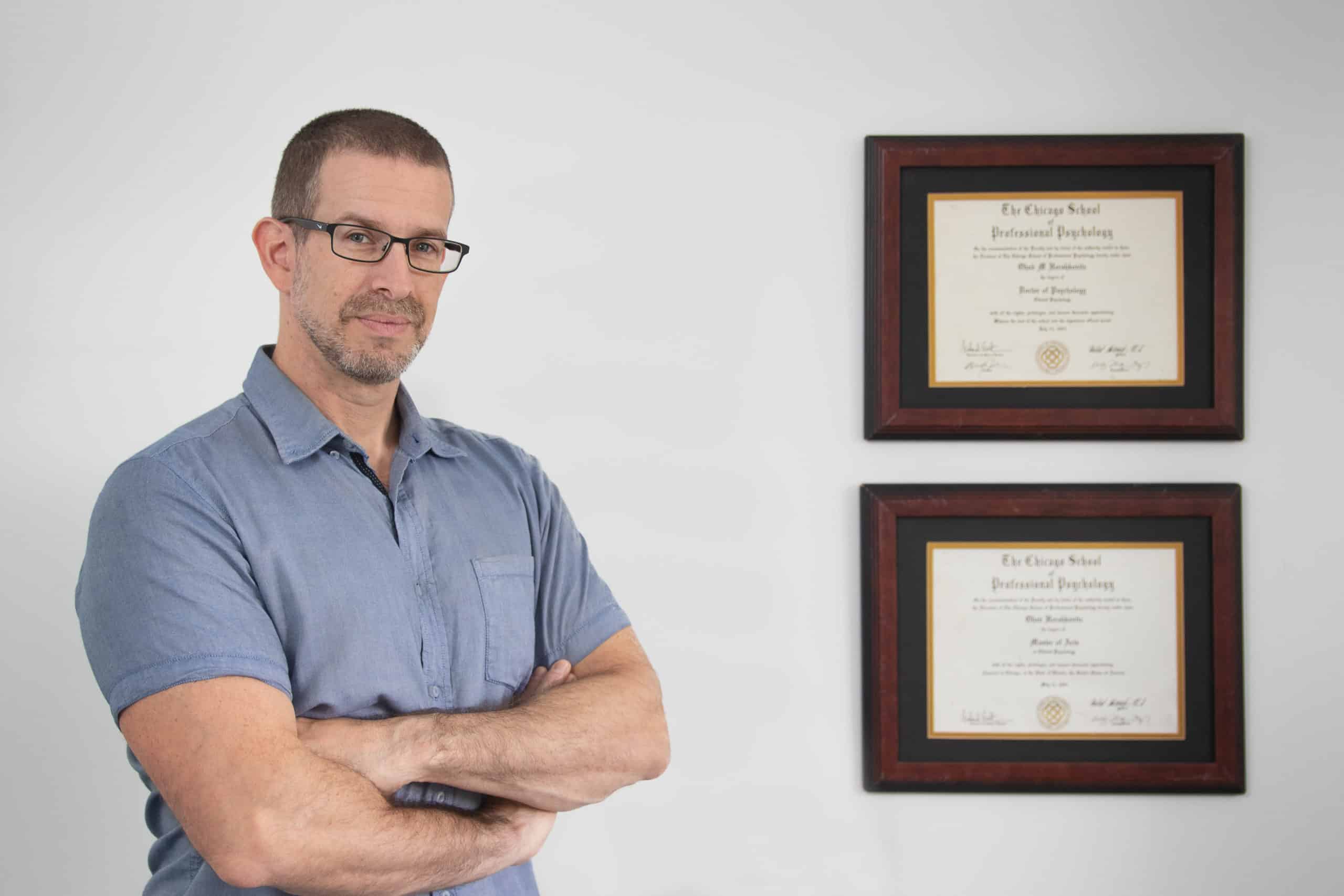
Dr. Ohad Hershkovitz

Dr. Ohad Hershkovitz

Psychologist • CBT Specialist

Dr. Ohad is a psychologist specializing in cognitive-behavioral therapy. He developed the CBT-TIME transdiagnostic protocol and has helped thousands of students learn to manage trichotillomania, anxiety, OCD, and other conditions through structured self-help. His 12-week course applies the same evidence-based techniques used in clinical practice in an accessible, self-paced format.

Frequently Asked Questions About Trichotillomania

What is trichotillomania?
Trichotillomania, also known as hair-pulling disorder, is a condition in which a person feels a recurring urge to pull out their own hair—most commonly from the scalp, eyebrows, or eyelashes. It is classified as a Body-Focused Repetitive Behavior (BFRB) and an Obsessive-Compulsive and Related Disorder in the DSM-5.
What causes hair pulling?
Research points to a combination of factors: neurobiological differences in brain circuits involved in habit and impulse control, genetic predisposition, and emotional triggers such as stress, boredom, anxiety, and fatigue. There is no single cause, and hair pulling is not a sign of weakness.
Can trichotillomania be cured?
While "cure" is a strong word, many people achieve significant and lasting reduction in pulling—some stop entirely. Cognitive Behavioral Therapy with Habit Reversal Training (CBT/HRT) is the most effective treatment, with research showing substantial improvement for the majority of people who practice the techniques consistently.
Is trichotillomania related to OCD?
Trichotillomania is classified alongside OCD in the DSM-5 as an Obsessive-Compulsive and Related Disorder. Both involve repetitive behaviors, but the mechanisms differ. OCD typically involves intrusive thoughts and rituals to reduce anxiety, while trich involves urge-driven pulling that may serve a sensory or emotional regulation function.
How does the CBT course help with hair pulling?
The course teaches awareness training (noticing triggers and urges), competing response practice (replacing pulling with incompatible actions), stimulus control (modifying your environment), and emotional tolerance building (sitting with discomfort without acting on it). The transdiagnostic approach also addresses the underlying stress, self-criticism, and avoidance patterns that maintain pulling.
Is the course a substitute for therapy?
No. The course is an educational self-help program, not therapy. It teaches the same skills commonly used in CBT therapy but is not a replacement for professional treatment, especially for severe cases or when other conditions are present.
How long does it take to see results?
Many students notice initial improvements within the first few weeks as they develop awareness and begin practicing competing responses. Lasting change typically comes with consistent practice over the full 12-week program. Everyone's timeline is different.
What if my question isn't listed here?
Try asking our support bot — click the blue support icon in the bottom corner of your screen.
Learn to Stop Hair-Pulling Start Free Mini-Course →