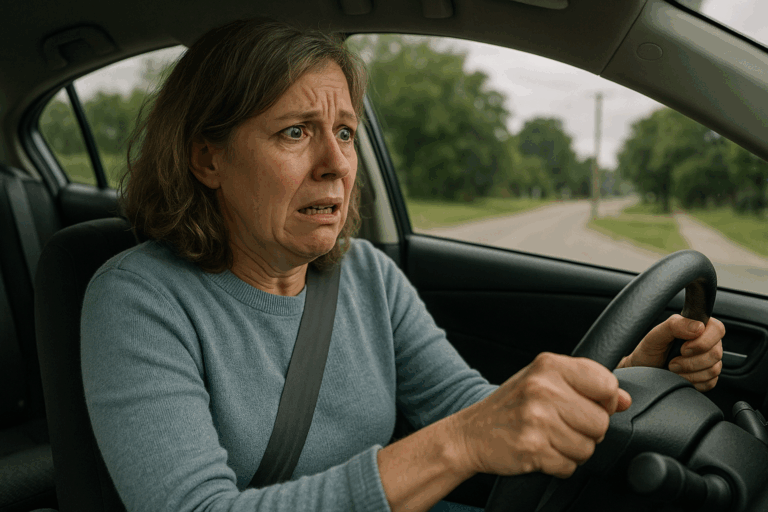

Overcoming the Fear of Driving: Your Path to Freedom
Fear of driving can feel like an invisible barrier holding you back from freedom. You might avoid trips, miss out on opportunities, or feel trapped by your own anxiety. The good news? CBT techniques offer clear steps to help you overcome driving anxiety—without needing a therapist’s office. Let’s explore how small changes can build your confidence behind the wheel. You can also learn more about driving phobia here.
Driving anxiety can sneak up on you, affecting your daily life and freedom. Identifying what drives this fear is the first step toward overcoming it. Let’s look at the common roots and how they manifest.
Identifying the Root Causes
The fear of driving, also known as vehophobia, can stem from various experiences. For some, it might be a past accident that left lasting emotional scars. Others might have witnessed distressing road incidents or heard about them, leading to anxiety. Sometimes, it’s about control—or rather, the lack of it—when navigating busy roads or unpredictable traffic. Each person’s experience is unique, but understanding your triggers is crucial. By pinpointing these causes, you can begin to address and manage them.
Symptoms and Triggers
Recognizing the symptoms of driving anxiety is essential. You might notice your heart racing or your palms sweating at the mere thought of driving. These physical reactions are common. Triggers can vary; for some, it’s the rush of traffic, while for others, it might be the fear of getting lost. Understanding your specific triggers helps in developing strategies to counter them. By becoming aware of these signs, you can prepare yourself better for the journey toward overcoming your fear.
CBT Techniques for Fear of Driving
Understanding your anxiety is just the beginning. Cognitive Behavioral Therapy (CBT) offers practical techniques to help you manage and eventually conquer your driving fear. Let’s explore how these methods can help you feel more at ease behind the wheel.
Free CBT Mini-Course
Try our evidence-based CBT program with a free introductory lesson. No credit card required.
Start Free Mini-CourseReframing Negative Thoughts
Negative thoughts can feel overpowering. CBT helps you challenge these thoughts by replacing them with more balanced ones. For example, if you think, “I can’t drive on highways,” you can reframe it to, “Highways are challenging, but I can practice and improve.” This shift in mindset is powerful. By consistently practicing this technique, you gradually reduce the hold these negative thoughts have on you. Remember, it’s about progress, not perfection.
Exposure Therapy Steps
Facing your fear is a crucial step in overcoming it. Exposure therapy involves gradually exposing yourself to driving situations that make you anxious. Start small, perhaps by sitting in your parked car and noticing your thoughts. Next, try driving around your block. As your confidence grows, challenge yourself with longer drives. Each step should be manageable. Celebrate small victories along the way. This gradual exposure can significantly reduce your anxiety over time.
Empowering Self-Help Strategies
Beyond CBT, there are other strategies to empower yourself against driving anxiety. Creating the right environment and using structured courses can bolster your efforts.
Creating a Supportive Environment
Surrounding yourself with support can make a world of difference. Talk to friends or family about your fears; having someone to accompany you on practice drives can provide reassurance. Additionally, prepare your car environment to feel safe and comfortable. Play calming music or use scents that relax you. These small changes can significantly impact your journey to overcoming driving anxiety.
Ready for the Full Program?
The 12-week CBT-TIME course gives you the structured, professional guidance that makes self-help CBT actually work.
Explore the 12-Week CourseBenefits of a Self-Help Course 🚗
A structured self-help course can be a game-changer. It offers step-by-step guidance, allowing you to tackle your fear at your own pace. Such courses often include exercises and tips based on CBT, ensuring you have practical tools at your disposal. Plus, you gain the benefit of expert-designed strategies without needing to visit a therapist. If you’re ready to take control of your driving anxiety, consider starting with our free mini-course to begin your journey to freedom on the road: start our free mini-course