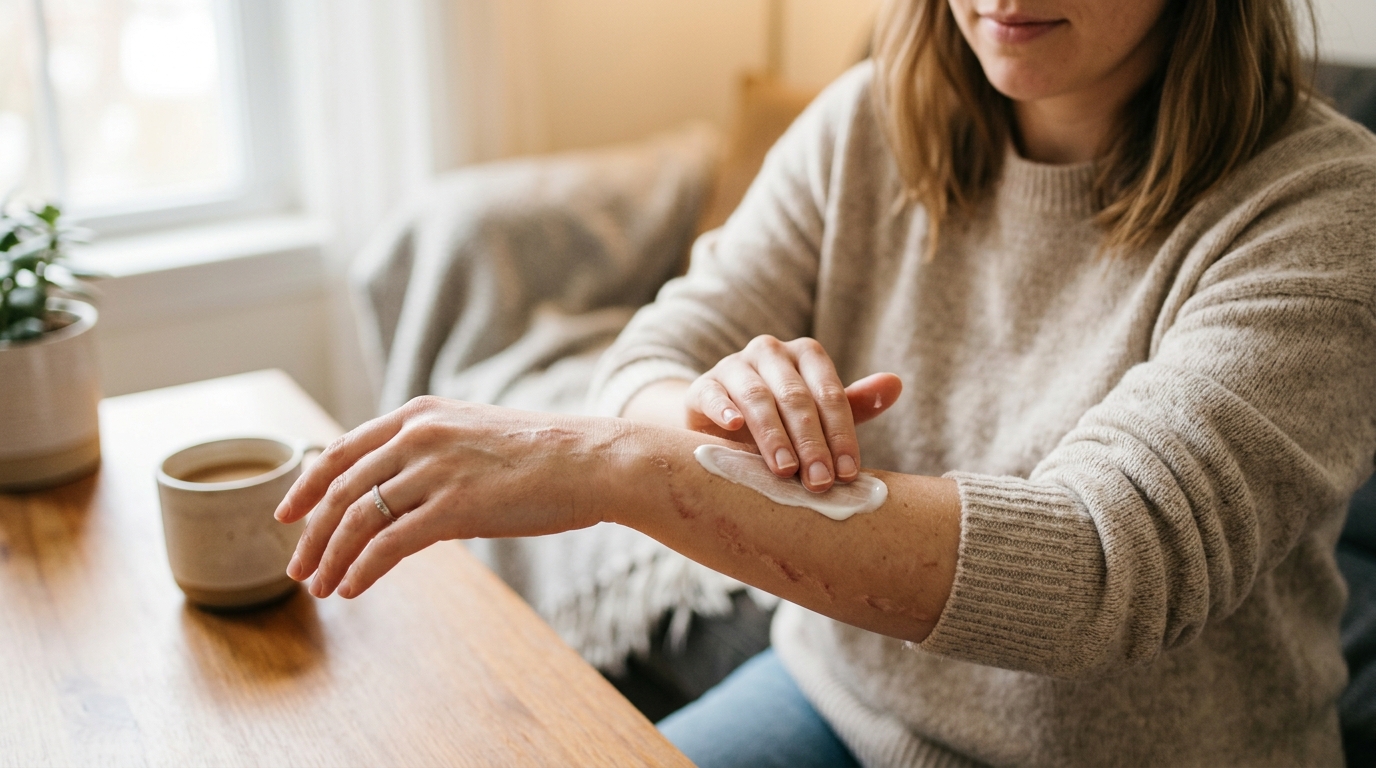

Do you find yourself picking at your skin without being able to stop? Do you spend excessive time in front of the mirror, targeting blemishes, moles, or rough patches -- only to feel deep shame and regret afterward? If this sounds familiar, you may be dealing with dermatillomania, also known as compulsive skin picking disorder or excoriation disorder.
What Is Dermatillomania?
Dermatillomania is a condition characterized by an uncontrollable urge to pick at one's own skin. It affects an estimated 2-4% of the population, making it far more common than most people realize.
People with this condition use various methods to pick at their skin -- fingernails, teeth, or even sharp objects. The most commonly targeted areas include the face, lips, hands, and other parts of the body. Many sufferers are fully aware of what they're doing, feel ashamed about it, and go to great lengths to hide the evidence -- wearing long sleeves, using heavy makeup, or avoiding situations where the damage might be visible.
The Connection to OCD
Dermatillomania belongs to the OCD family of disorders. The connection makes sense when you understand the core pattern: there's a compulsive, repetitive urge to pick at the skin that the person feels unable to resist -- much like the compulsive behaviors seen in OCD.
The consequences can be serious. Beyond the psychological distress, repeated skin picking can lead to:
- Visible scarring and skin damage
- Infections from open wounds
- Social isolation and avoidance
- Significant emotional distress and shame
What Causes Dermatillomania?
Like most mental health conditions, dermatillomania doesn't have a single cause. Research points to a combination of factors:
Free CBT Mini-Course
Try our evidence-based CBT program with a free introductory lesson. No credit card required.
Start Free Mini-CourseBiological Factors
- Irregularities in dopamine regulation
- Motor control difficulties
- Possible genetic predisposition
Psychological Factors
- Deep-seated emotional urges
- Difficulty managing stress and negative emotions
- Perfectionism and need for control
Environmental Factors
- Childhood trauma or adverse experiences
- Significant loss or life changes
- High-stress environments
How CBT Treatment Helps
CBT (Cognitive Behavioral Therapy) is the treatment with the highest success rates for compulsive disorders like dermatillomania. The approach typically includes:
Habit Reversal Training (HRT): Learning to recognize the triggers and urges that precede picking, and replacing the behavior with a competing response.
Cognitive Restructuring: Identifying and challenging the thoughts and beliefs that maintain the picking behavior.
Exposure and Response Prevention (ERP): Gradually learning to tolerate the urge to pick without acting on it, which weakens the compulsive cycle over time.
When appropriate, CBT can also be combined with medication for additional support.
Ready for the Full Program?
The 12-week CBT-TIME course gives you the structured, professional guidance that makes self-help CBT actually work.
Explore the 12-Week CourseYou're Not Alone
If you're struggling with compulsive skin picking, know that this is a recognized condition with effective treatments available. The shame you feel is understandable, but it's also part of what keeps the cycle going.
Learn more about OCD and related disorders, or explore our free mini-course to start building the skills you need to break free from compulsive patterns.