The “CBT-TIME” transdiagnostic protocol is a singular unified protocol, which unifies the treatment of different disorders and various symptoms. Underlying the protocol is the basic assumption that – although they are expressed differently in varying disorders – all symptoms are a result of the same basic errors with relation to thinking patterns, ability to cope with emotion, and behavioral habits. The protocol targets three focal points through which the patient learns to identify and change unhealthy habits and replace them with more adaptive coping skills, which he practices during treatment.
How is the CBT-TIME protocol structured?
The protocol developed by Dr. Ohad Hershkovitz is structured, detailed and based on three focal points: cognitive, emotional and behavioral.
During the cognitive stage, the patient learns to identify and challenge thinking patterns that increase emotional problems, learns to reduce the time spent engaging in unhealthy thoughts, and learns to use healthy thinking to create motivation and increase self-confidence.
During the emotional stage, the patient learns to tolerate unpleasant emotions in a manner that allows the emotion to subside and habituate, and in addition the patient learns to increase the experience of positive emotions.
During the behavioral stage, the patient learns to identify and to tolerate without heeding behavioral impulses – such as “fight or flight”, avoidance, “control-freak”, escape, eating, compulsive rituals, perfectionism, need for certainty – as well as to be proactive in releasing emotional tension in an effective and healthy manner so as to decrease the experience of automatic tension release behaviors and body focused repetitive behaviors – such as hair pulling, nail biting and skin picking or various addictive behaviors like compulsive shopping, compulsive gambling and kleptomania.
Innovations in the CBT-TIME protocol
The protocol developed by Dr. Ohad Hershkovitz differs from standard protocols that focus on a specific set of symptoms. For example, today there are protocols for eating disorders, post-trauma, OCD, and for anxiety. However, these protocols are very specific, focusing on the symptoms themselves, and often miss unhealthy habits at a deeper emotional level or problems with the self-confidence that lie behind these symptoms.
Free CBT Mini-Course
Try our evidence-based CBT program with a free introductory lesson. No credit card required.
Start Free Mini-CourseFor example problems of phobia, OCD, eating disorders or anxiety often come in combination with secondary issues of self-confidence which include perfectionism, self-criticism, being a “control-freak”, and avoidance.
These secondary issues are usually not the reason for starting treatment or the focus of the treatment itself, but they do negatively affect the patient’s life, as well as being part of the same unhealthy habits which contribute to the patient’s symptoms. For this reason there is a limitation to traditional protocols that focus only on a specific and limited set of symptoms.
The CBT-TIME protocol addresses the entire emotional pipeline, including the underlying core beliefs of self-confidence that cause not only the presenting symptoms but also the accompanying secondary issues which actually feed into the primary symptoms. Hence the advantage of the transdiagnostic protocol.
About the Author
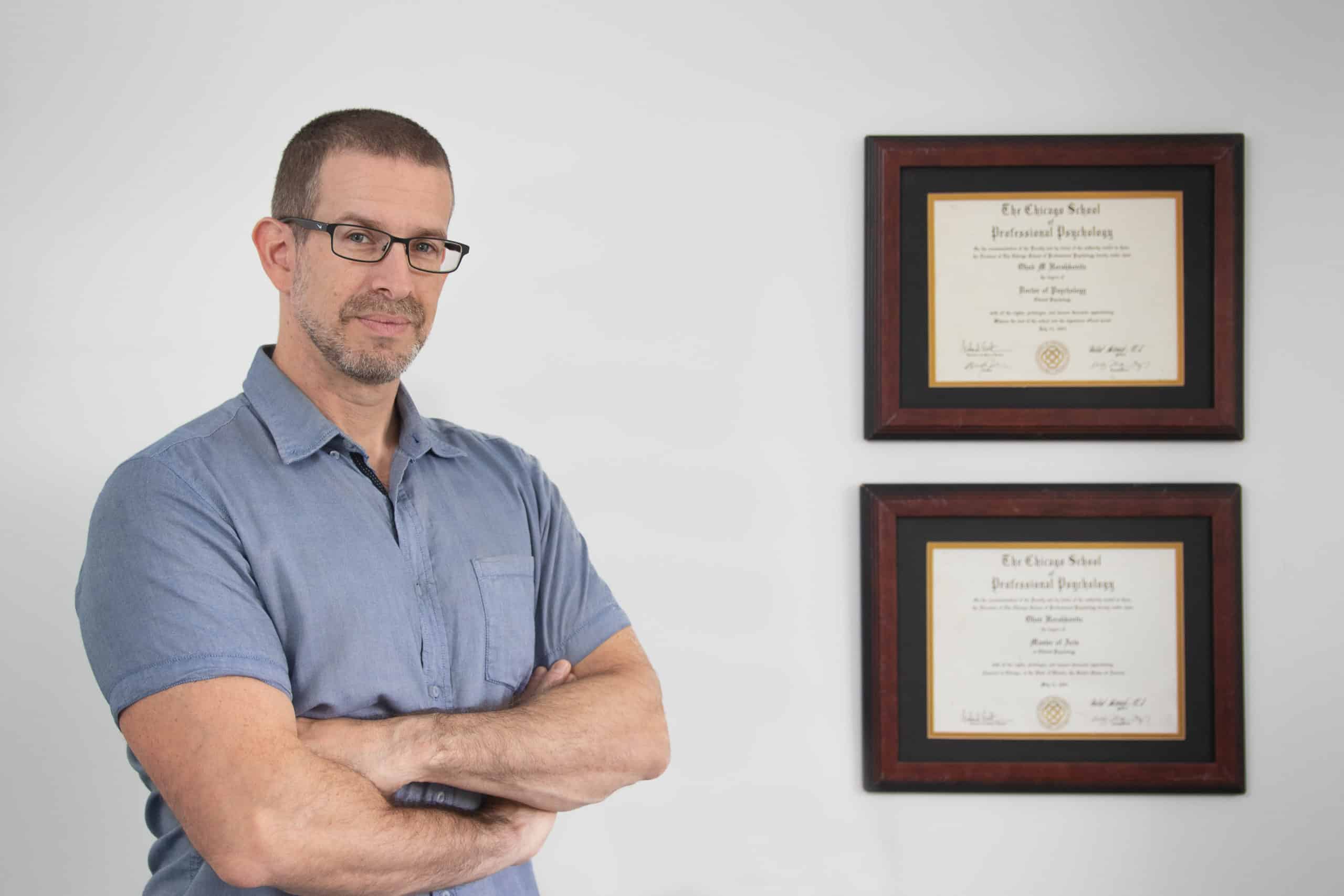
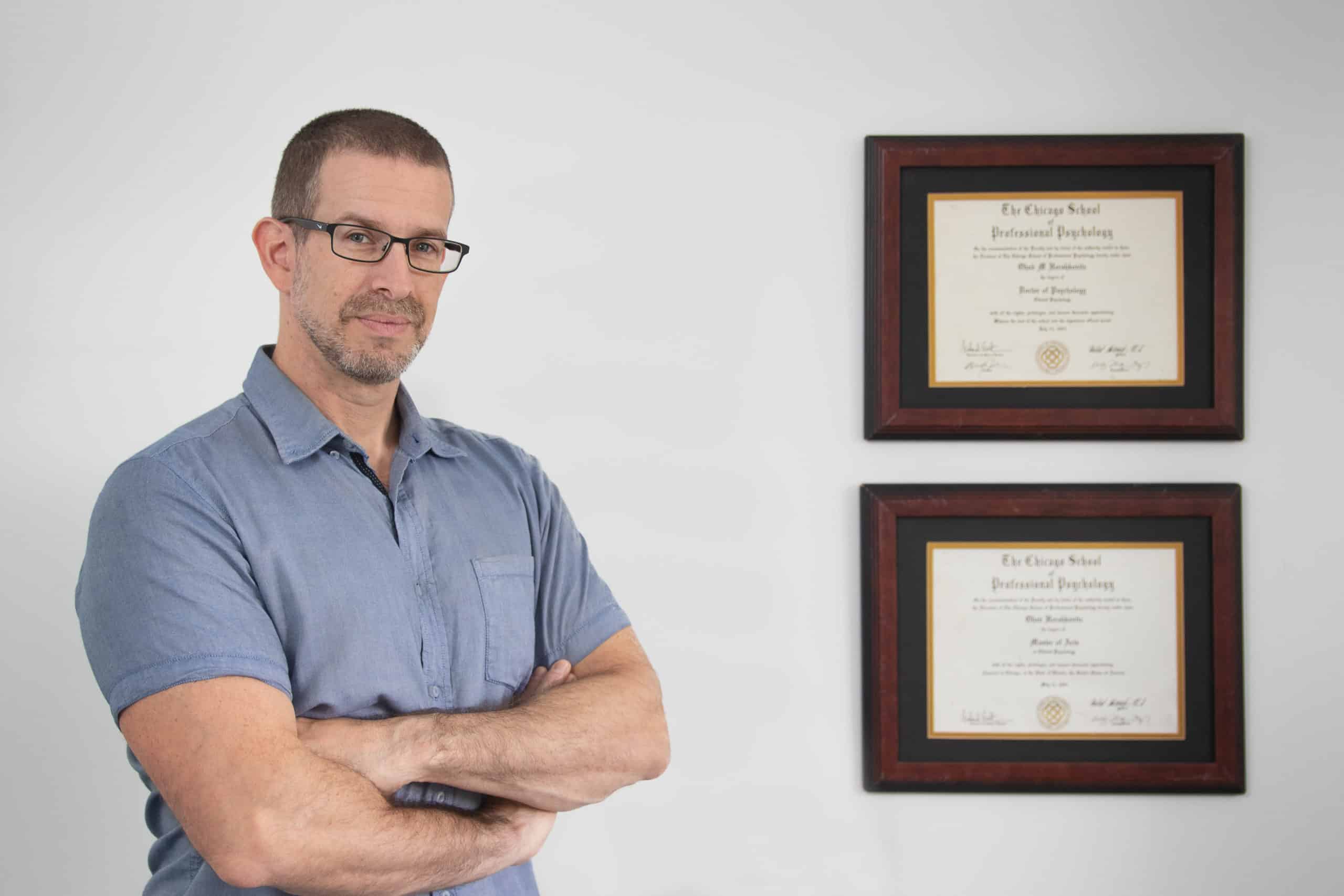
Dr. Ohad Hershkovitz completed his Doctorate in Clinical Psychology at the Chicago School of Professional Psychology in the United States and has been treating a wide range of problems for over 20 years, focusing on the Cognitive Behavioral Therapy (CBT) method.
Over the years he has developed the transdiagnostic treatment protocol, CBT-TIME, which unifies the treatment of various disorders and symptoms. Dr. Hershkovitz successfully treats a wife variety of problems using this protocol, with an average course of treatment of up to several months that produces a significant symptomatic and core change for the patients.
Ready for the Full Program?
The 12-week CBT-TIME course gives you the structured, professional guidance that makes self-help CBT actually work.
Explore the 12-Week CourseDr. Ohad Hershkovitz trains clinical professionals from Israel and around the world in the use of the protocol: he has presented at the 2020 EABCT Conference in Europe, at the Israeli Association for Behavioral and Cognitive Psychotherapy Conference, and also holds training workshops for therapists.
The CBT-TIME protocol is also the basis for the online self-help course – “Healthy Mindset Toolkit” – Dr. Hershkovitz offers to the general public in order to provide them with the skills and tools they need to help themselves overcome emotional problems.