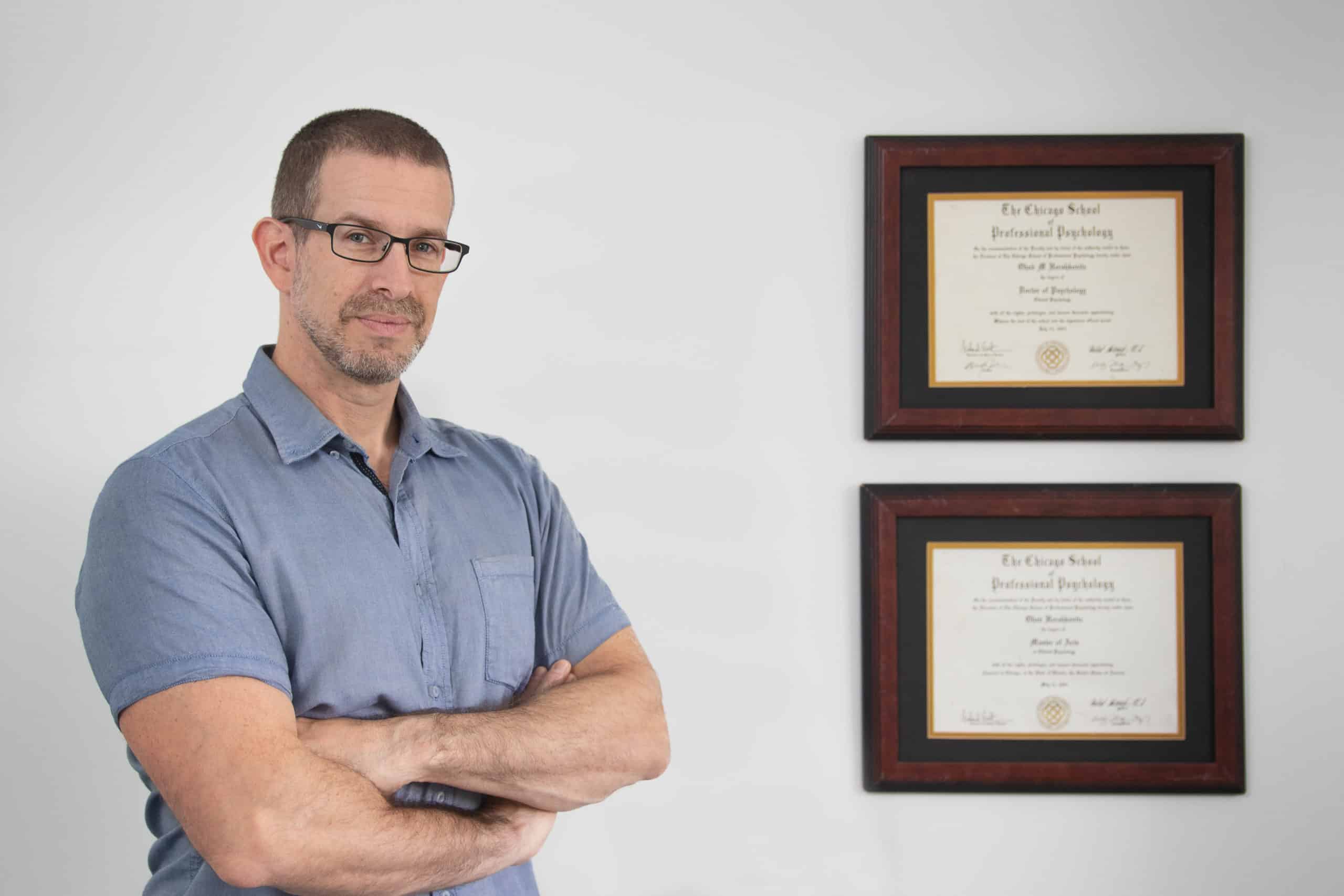
I get this question almost daily in my practice: "Dr. Hershkovitz, can I really do CBT without a therapist?" It's usually asked with a mixture of hope and skepticism — hope that there might be an affordable, accessible way to get better, and skepticism that anything could work without sitting across from a professional.
After 20+ years of practicing cognitive behavioral therapy and treating over 2,000 patients, I'm going to give you the honest answer you deserve. Yes, CBT without therapist guidance can work — but not in the way most people think.
What People Get Wrong About Self-Help CBT
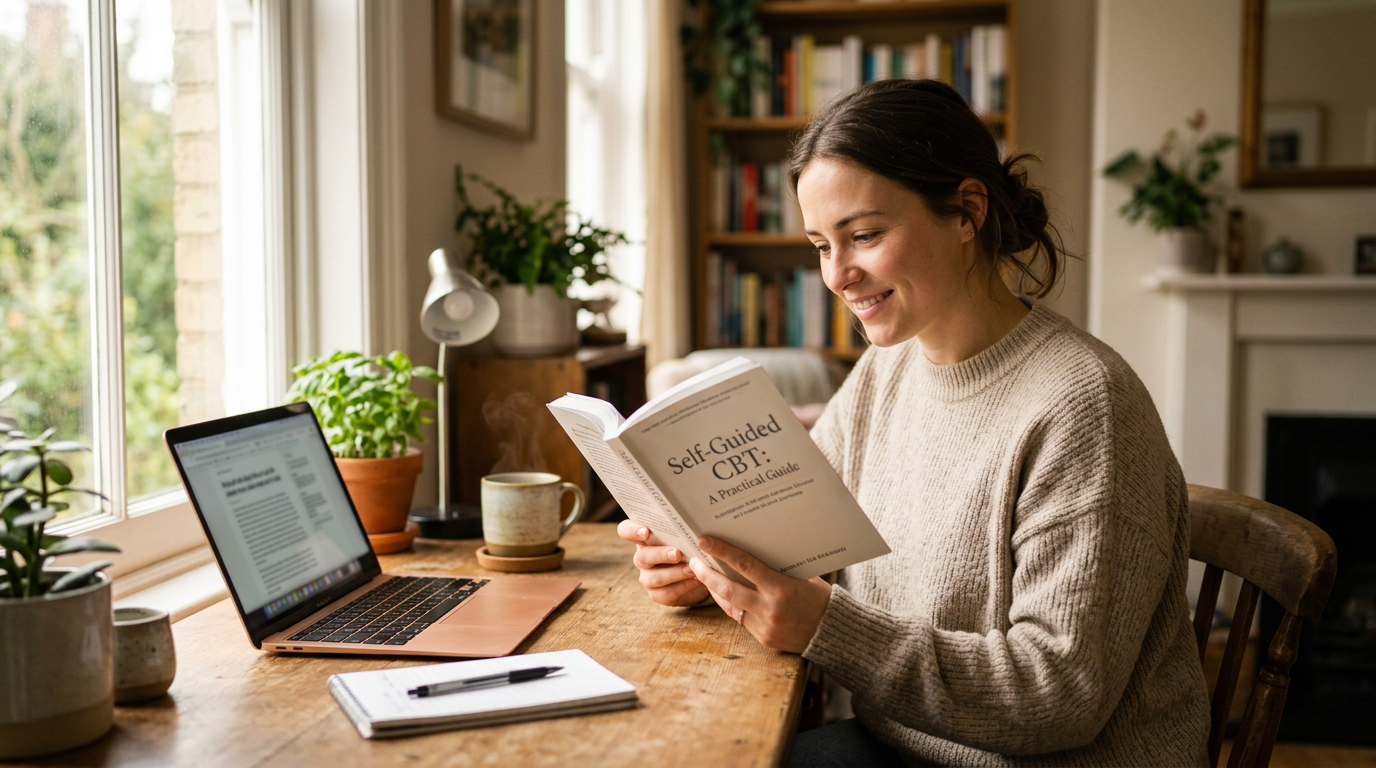
Let me start by addressing the elephant in the room. Most people's experience with self-help CBT comes from random worksheets downloaded online, generic apps that ask "How are you feeling today?", or books that sit half-read on nightstands.
When these approaches fail (and they often do), people conclude that CBT on my own simply doesn't work. But that's like trying to learn piano from scattered YouTube videos and concluding that piano lessons don't work when you can't play Chopin after a month.
The problem isn't CBT itself — it's how it's being delivered and learned.
When DIY CBT Actually Works: The Key Conditions
In my experience, CBT without therapist supervision can be highly effective, but only under specific conditions:
1. You Have a Structured, Professional Program
Not all self-help CBT is created equal. The approaches that work mirror what happens in my office: a systematic progression through concepts and techniques, built on evidence-based protocols.
I've seen remarkable transformations when people follow structured programs that include: - Sequential learning (you can't jump to advanced techniques without foundations) - Weekly exercises that reinforce concepts - Practical tools you can use immediately - Professional guidance, even if it's not one-on-one
2. You're Dealing with Mild to Moderate Conditions
Here's what I tell my patients: self-guided CBT works best for anxiety, mild to moderate depression, OCD, panic attacks, phobias, perfectionism, and similar conditions. These respond well to the cognitive and behavioral techniques that are the heart of CBT.
However, if you're experiencing severe depression with suicidal thoughts, acute trauma responses, or conditions requiring medication management, you need direct professional support. There's no shame in that — it's simply matching the right tool to the situation.
3. You're Willing to Do the Work
This might sound obvious, but it's crucial. CBT isn't passive. Whether you're working with a therapist or on your own, the magic happens in the exercises, thought records, and behavioral experiments you do between sessions.
I've had patients make incredible progress with minimal guidance because they consistently applied the techniques. I've also seen people in weekly therapy for months make little progress because they weren't doing the homework.
The Advantages of Self-Help CBT (That Therapists Won't Tell You)
I'm going to share something that might surprise you: there are actually some advantages to doing CBT on your own that we don't often discuss in the therapy world.
Not Sure Where to Start?
Our free self-assessment helps you understand your symptoms and find the right approach — in just 3 minutes.
Take the Free Self-CheckYou Can Go at Your Own Pace
In traditional therapy, you're locked into 50-minute sessions, usually weekly. But anxiety doesn't follow a schedule. Sometimes you need to review a concept multiple times. Other times, you're ready to move faster.
With structured self-help CBT, you can spend extra time on techniques that resonate with you and move quickly through concepts you grasp easily.
It's More Affordable and Accessible
Let's be realistic about costs. Quality therapy runs $100-200 per session, often more. Even with insurance, copays add up. A structured CBT program costs less than a single therapy session but gives you months of professional content.
You Avoid Therapist Shopping
Finding the right therapist is like dating — sometimes it takes multiple attempts to find someone who's the right fit. With self-guided CBT, you're learning directly from established protocols, not hoping your therapist remembers their training correctly.
What Self-Help CBT Can't Replace
I need to be clear about limitations. DIY CBT works well for many people, but it's not a universal solution.
Complex Trauma Needs Professional Support
If you're dealing with PTSD from severe trauma, childhood abuse, or complex grief, you likely need the safety and expertise of a trained professional. These conditions often require specialized approaches and careful pacing that's hard to manage alone.
You Need Accountability and Motivation
Some people thrive with self-directed learning. Others need external accountability. If you're someone who starts programs but doesn't finish them, or if your depression makes it hard to stay motivated, working with a therapist might be more effective.
Crisis Situations Require Immediate Help
If you're having thoughts of hurting yourself or others, please reach out to a crisis hotline or emergency services immediately. Self-help programs are for building long-term skills, not managing acute crises.
How to Make Self-Help CBT Actually Work
If you're considering CBT on your own, here's how to set yourself up for success:
Start with a Professional Framework
Look for programs created by licensed psychologists or based on established therapeutic protocols. Avoid generic "feel better" content and seek out structured courses that mirror actual therapy progression.
Commit to Consistency Over Intensity
It's better to spend 10 minutes daily on CBT exercises than to binge-watch hours of content on weekends. The techniques work through repetition and practice, not just understanding.
Track Your Progress
Keep a simple log of your mood, anxiety levels, or target behaviors. This serves two purposes: it shows you objective progress (which your brain might miss), and it helps you identify which techniques work best for you.
Know When to Seek Additional Help
If you're not seeing improvement after several weeks of consistent practice, or if your symptoms are worsening, that's valuable information — not failure. It might mean you need professional support, medication consultation, or a different approach.
Free CBT Mini-Course
Try our evidence-based CBT program with a free introductory lesson. No credit card required.
Start Free Mini-CourseThe Bottom Line: It Depends on the How, Not the What
After two decades in practice, I've learned that the techniques themselves aren't the limiting factor — CBT principles work whether they're delivered in my office or through a well-designed online program. The key is how they're taught and applied.
Can you do CBT without a therapist? Absolutely — if you have access to professional-quality content, you're dealing with conditions that respond well to CBT, and you're committed to doing the work.
The real question isn't whether self-help CBT can work, but whether you have access to the right kind of self-help CBT. Not all programs are created equal, and your success depends largely on the quality and structure of what you're learning from.
Ready to Find Out Where You Stand?
If you're considering self-guided CBT, the first step is understanding what you're dealing with and how it might respond to these approaches. I've created a comprehensive self-assessment that can help you identify your specific patterns and determine whether structured self-help might be right for you.
Take our free self-assessment to see where you stand →
This isn't about replacing professional help when you need it — it's about giving you clear information to make the best decision for your situation. Because everyone deserves access to the tools that can help them feel better, regardless of their budget or schedule.